
How to Choose the Best Billing Software for a Small Business in India
A practical checklist for choosing billing software in India: GST compliance, inventory, multi-branch support, ease of use, data safety, support and total cost.
7 min read · Updated · Saarthi team
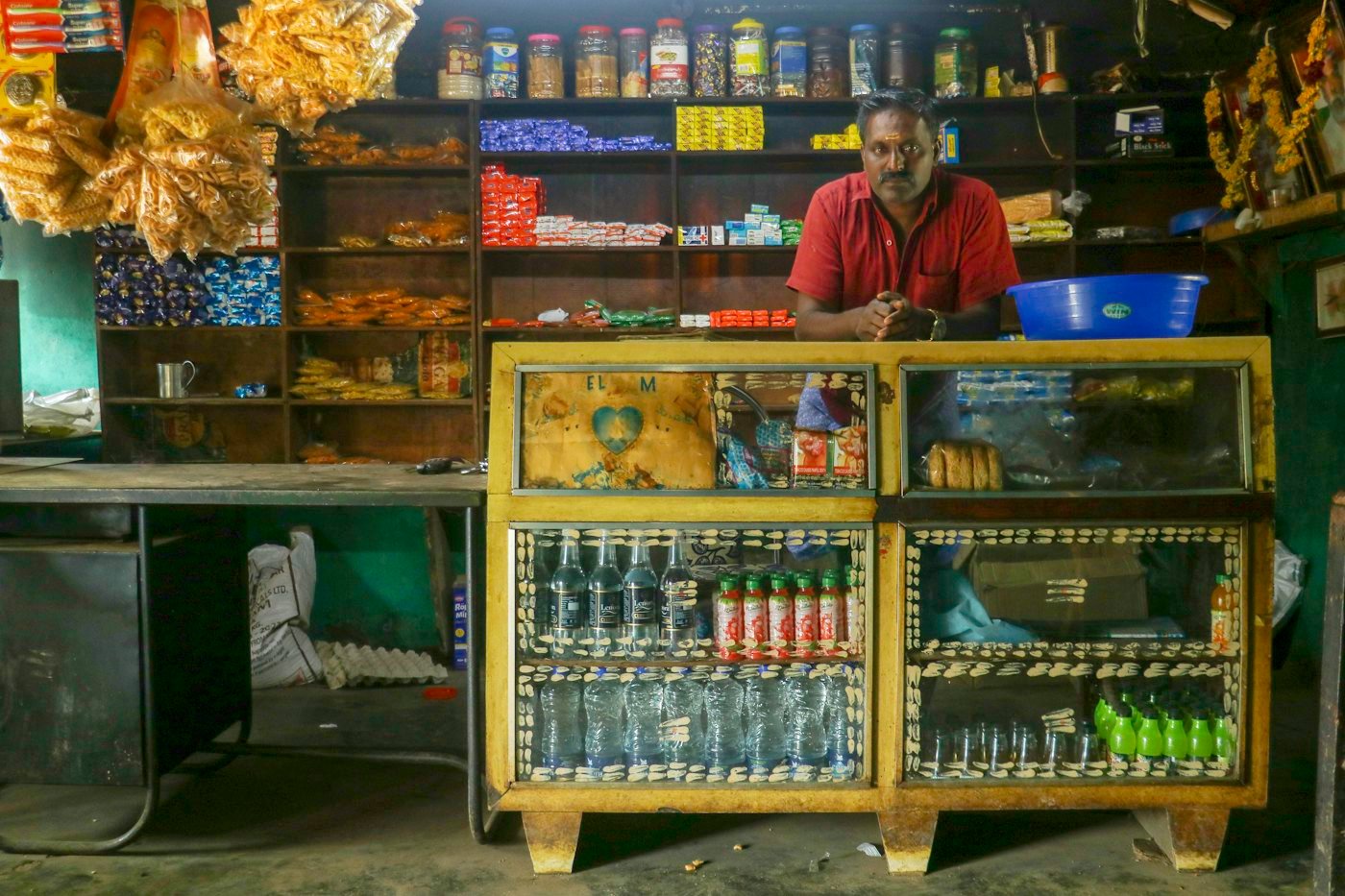
There are dozens of billing software options in India, and most of them can print a GST invoice. The difference shows up a few months later, when you add a branch, your stock grows, or your accountant asks for reports. Use this checklist to choose software that fits where your business is going, not just where it is today.
1. GST compliance that you don't have to think about
At minimum, the software should handle CGST/SGST vs IGST automatically, store HSN codes and rates per product, number invoices correctly and produce GSTR-1 and GSTR-3B summaries. If your turnover is near or above the e-invoicing threshold, check that it can generate IRNs and e-way bills directly.
2. Inventory that updates with every bill
Billing and stock should be the same system. Every sale should reduce stock and every purchase should increase it, without exporting and importing files. If you deal in batches and expiry dates, serial numbers, or sizes and colours, make sure the software tracks them natively.
3. Room to grow: branches, godowns and users
- Can you add another shop or godown on the same account?
- Can you transfer stock between locations with a proper record?
- Can you control what each staff member can see and do?
4. Speed and ease of use at the counter
Your counter staff will use the software hundreds of times a day. Look for barcode billing, quick product search, and screens that don't need accounting knowledge. Ask for a demo using your own products and a realistic rush-hour scenario.
5. Access from anywhere and data safety
Cloud software lets owners check sales and stock from home and protects you from a single computer failing. Ask how backups are handled, who can access your data, and what happens if your internet goes down.
6. Purchases and accounts in the same place
Purchase orders, vendor bills, payments, customer ledgers and cash and bank entries belong in the same system as billing. Otherwise you'll still be reconciling spreadsheets at month-end. If your accountant uses Tally, check whether the software can export data to it.
7. Support you can actually reach
Setup, data import and staff training matter as much as features. Prefer a provider who will help import your products and customers, and who is reachable by phone or WhatsApp during business hours.
8. Total cost, not just the sticker price
Compare subscription fees, but also count the hours saved on manual entry, the cost of stock errors, and the cost of switching again in a year if you outgrow a basic tool.
A quick shortlist test
- Bill 10 real items, including a return, in under five minutes
- Check that stock and the customer ledger update instantly
- Pull a GSTR-1 summary and an HSN summary
- Add a second location and transfer stock
- Restrict a test user to billing only
Saarthi was built around exactly this checklist for growing Indian retailers, distributors and traders. Book a free demo and we'll run these tests with your own products.